The Right Way to Clean Hardwood Floors Without Damaging the Finish
Keeping your hardwood floors clean doesn't have to mean risking their beautiful finish. The best way to clean hardwood floors starts with understanding what your wood needs and what can harm it. In Raymore, MO, where humidity and seasonal changes affect how your floors behave, proper cleaning technique is just as important as choosing the right products. The good news? With a few simple practices, you can maintain those gorgeous floors for years without expensive repairs.
Understanding Your Hardwood Floor's Enemy: Moisture
Water is hardwood's biggest threat. Unlike tile or vinyl, hardwood is a natural material that absorbs moisture, causing it to swell and cup. When you're looking at the best way to clean hardwood floors, moisture control should be your first priority. This means avoiding soaking wet mops, steam cleaners, and excessive water of any kind.
Instead, use a dry or barely-damp microfiber cloth or mop. Microfiber is wonderful because it traps dust and dirt without requiring much liquid. If you do use a cleaning solution, apply it sparingly to your cloth, never directly to the floor. Wring out your mop thoroughly—it should feel almost dry to the touch before you use it on your wood.
The climate here in Raymore means your floors naturally expand and contract with the seasons. Excess moisture during humid months or from careless cleaning can accelerate this movement and create gaps or cupping that becomes expensive to repair.
What to Use (and What to Avoid) When Cleaning
When you're ready to tackle cleaning, stick with products specifically designed for hardwood. Avoid all-purpose cleaners, vinegar solutions, and commercial floor waxes unless your floor's finish was designed to accept them. Each hardwood finish—whether it's polyurethane, water-based, or oil-based—has different needs.
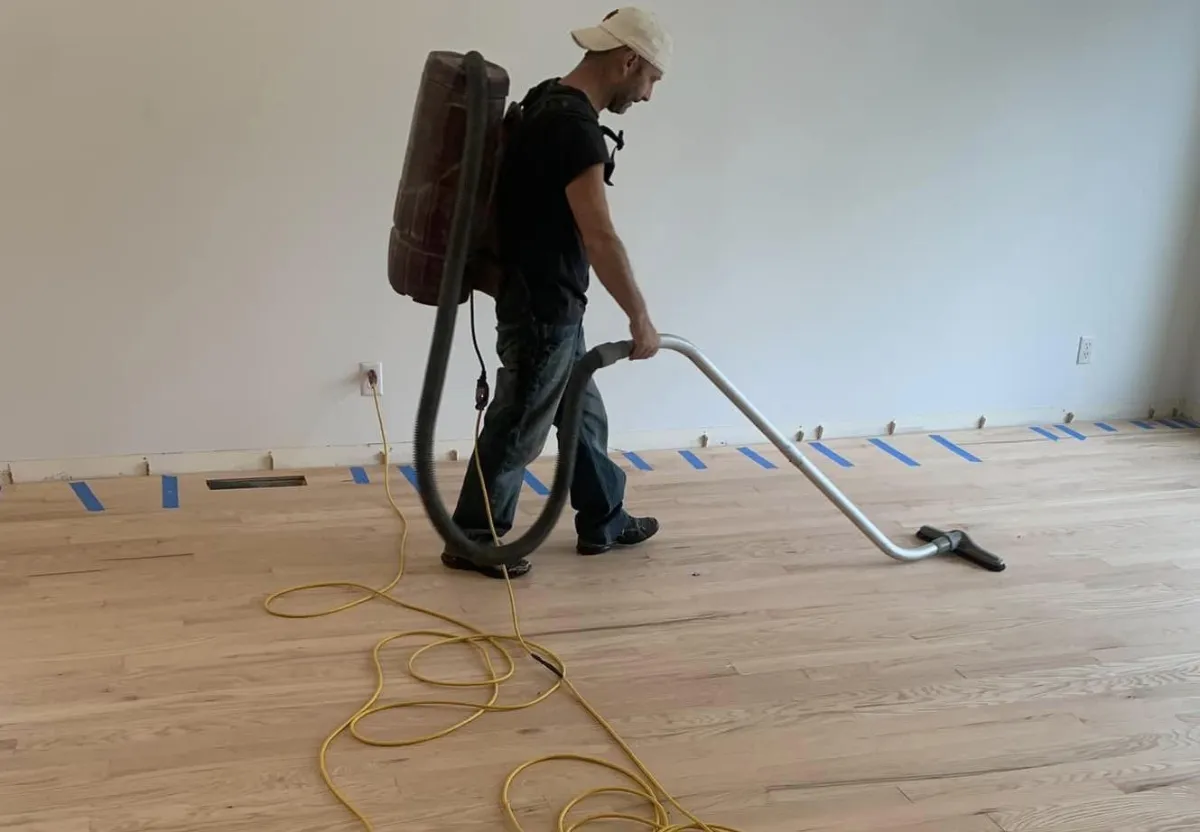
A simple option is to vacuum or sweep first to remove loose dirt and grit. Grit is actually harder on your finish than you might think; those tiny particles scratch away at the protective coat when you walk on them. Then, use a dry mop or microfiber cloth for general maintenance. For deeper cleaning, choose a pH-neutral hardwood cleaner applied to your cloth only.
Never use steam cleaners, excessive water, bleach, or abrasive scrubbing pads on hardwood floors. These damage the protective finish and can lead to warping or staining that's difficult to reverse. If you're unsure what finish your floors have, that's a great question to ask a professional during your next hardwood floor maintenance appointment.
Daily Habits That Protect Your Investment
The best way to clean hardwood floors includes prevention. Place doormats at entries to catch dirt before it reaches your wood. Use felt pads under furniture legs so moving chairs and tables doesn't scratch the finish. In high-traffic areas, consider area rugs to reduce wear.
Wipe up spills immediately—don't let liquids sit on the surface. Keep humidity levels between 35% and 55% in your home; both very dry and very humid conditions stress hardwood. During Raymore's humid summers, you might need a dehumidifier, while winters might require adding moisture to the air.
Establish a simple routine: sweep or vacuum 2-3 times per week, do a light mop with a barely-damp cloth weekly, and save deeper cleaning for monthly or as-needed. This consistency prevents dirt buildup that requires aggressive scrubbing.
When to Call a Professional
If you notice scratches, dull spots, or sticky residue that home cleaning doesn't resolve, that's a signal to bring in professionals. Professional hardwood floor maintenance includes deep cleaning and refinishing that goes far beyond what household methods can achieve.
Professionals have access to commercial-grade equipment and products designed specifically for hardwood, plus the expertise to assess what your floors actually need. They can identify finish damage early, recommend treatments, and keep your floors looking their best without the risk of damage that comes from DIY mistakes.
Frequently Asked Questions
A: Many disposable pads are fine for dust, but always check your specific product's instructions. Some contain waxes or oils that can build up on hardwood over time. For safest results, stick with reusable microfiber cloths that you control completely.
A: Dullness can be from dust, dried cleaner residue, or finish wear. Start by vacuuming thoroughly and wiping with a barely-damp microfiber cloth. If dullness persists, your finish may need professional attention or refinishing.
A: That depends on foot traffic and your home's environment. Most households benefit from professional cleaning once or twice yearly as part of regular maintenance. High-traffic homes might need more frequent service.
A: Vinegar is acidic and can damage hardwood finishes. It's not recommended unless your specific floor manufacturer explicitly approves it. Stick with products formulated for hardwood to be safe.
Keep Your Floors Beautiful for the Long Term
Learning the best way to clean hardwood floors is an investment in your home's appearance and your floors' longevity. Simple habits—dry dusting, minimal-moisture cleaning, and prompt spill cleanup—work together to preserve that finish you love. Ready for help? Contact Quality Hardwood of Kansas City today to discuss your floors' specific needs and schedule professional maintenance.