Dustless Floor Sanding vs. Traditional Sanding: What's the Difference?
When you're considering hardwood floor refinishing in Kansas City, one of the biggest decisions you'll face is choosing between dustless floor sanding and traditional sanding methods. The main difference is straightforward: dustless floor sanding captures dust at the source using advanced vacuum systems, while traditional sanding creates airborne dust that settles throughout your home. If you have allergies, pets, or simply want to minimize cleanup, this distinction matters quite a bit.
Both methods can deliver beautiful results when performed by skilled professionals. However, the experience during the work—and what happens to your home afterward—differs significantly. Understanding these differences helps you make the right choice for your Raymore home.
How Dustless Floor Sanding Works
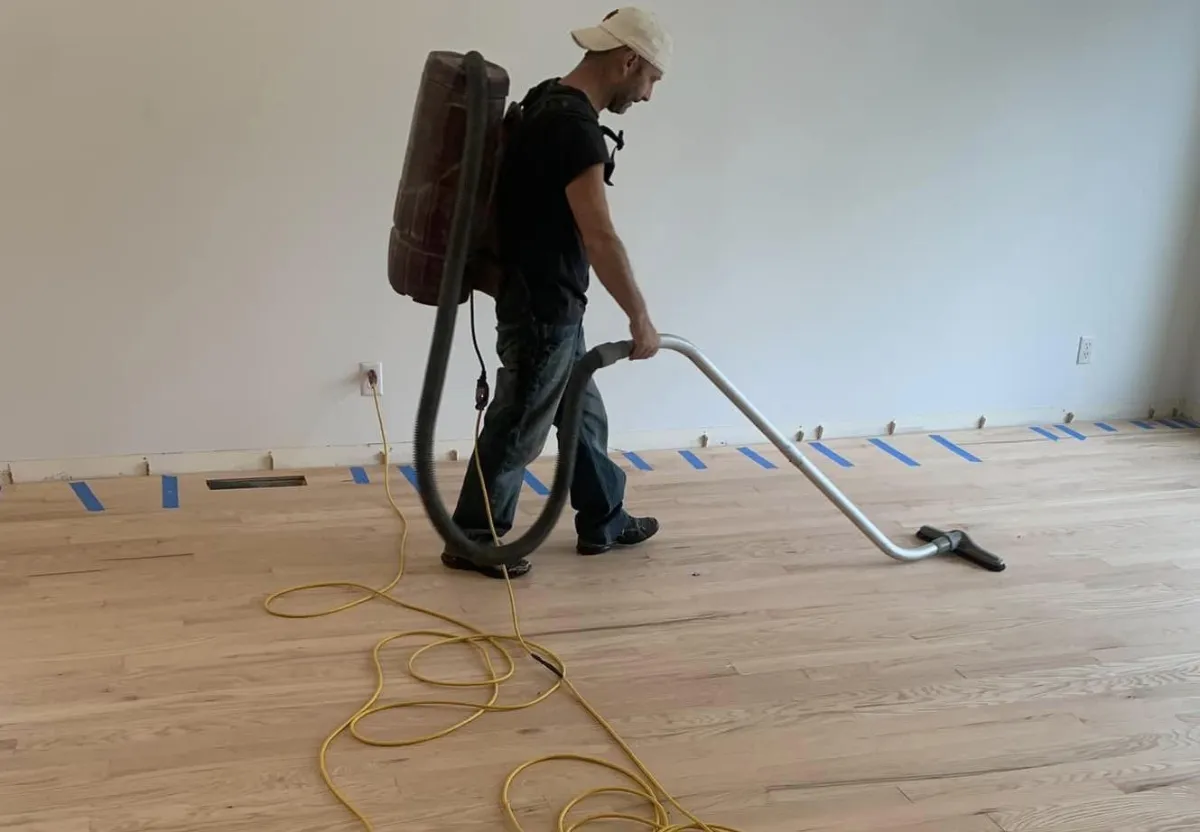
Dustless floor sanding uses specialized equipment with HEPA filtration systems and powerful vacuums that work in tandem with the sanding machine. As the sander moves across your hardwood floors, the vacuum simultaneously pulls dust away before it becomes airborne. Think of it like a shop vacuum that's built right into the sanding process.
The captured dust gets collected in sealed containers or bags, which can then be disposed of responsibly. Because the dust is captured immediately, you won't find fine particles settling on your furniture, in your HVAC system, or coating surfaces throughout your home. For homeowners in Raymore who are concerned about indoor air quality, this is a significant advantage.
The downside? Dustless equipment is more expensive to operate and maintain, which can affect overall project costs. However, many homeowners find the reduced cleanup and healthier indoor environment worth the investment.
Traditional Sanding: The Conventional Approach
Traditional floor sanding relies on sanders that create dust as a natural byproduct of the work. While contractors may use drop cloths and attempt to contain the mess, dust inevitably becomes airborne and settles on surfaces throughout your home. This dust can penetrate walls, settle in your HVAC ducts, and remain a cleaning challenge for weeks after the project ends.
The advantage of traditional sanding is that it's been the standard method for decades, and many experienced contractors have perfected the technique. The equipment is less specialized, which can make the service more accessible. However, if you're sensitive to dust, have respiratory concerns, or want to minimize post-project cleanup, this method requires accepting some inconvenience.
Even with best efforts to contain dust, traditional sanding typically means relocating your family during work and deep cleaning afterward. For families with young children or pets, this disruption can be significant.
What to Ask When Hiring a Floor Sanding Contractor
Whether you choose dustless or traditional sanding for your hardwood floor refinishing project, ask these essential questions when contacting contractors:
- What equipment do you use? Get specific details about their sanding system and dust collection capabilities.
- What containment measures do you take? Ask how they protect your home, HVAC system, and surrounding areas.
- Can you provide references? Talk to previous clients about their experience and satisfaction with dust management.
- What's included in cleanup? Clarify whether post-project cleaning is included and what that entails.
- Are you insured and licensed? Verify credentials to ensure you're working with legitimate, accountable professionals.
- How long until we can use the floors? Understand the timeline for foot traffic and furniture placement.
Red Flags to Watch For
When evaluating contractors for your hardwood floor refinishing project, be cautious of anyone who downplays dust concerns or dismisses your questions about containment. A professional contractor in Raymore understands that dust management is important to homeowners and can explain their approach clearly.
Also be wary of contractors who can't provide references, won't discuss their equipment, or seem dismissive of your preferences regarding dustless versus traditional methods. Quality contractors respect your home and your concerns, and they're transparent about their processes.
A: Not necessarily. Both methods can produce excellent results. Dustless sanding is ideal if you have respiratory concerns, pets, or a preference for minimal cleanup. Traditional sanding works fine for many homeowners who don't have these concerns and want a more straightforward approach. Your choice depends on your priorities and home situation.
A: With dustless floor sanding, some families can remain home during the work, though the sanding process is still noisy. With traditional sanding, many families prefer to relocate during work to avoid dust exposure. Talk with your contractor about what's realistic for your situation.
A: Always ask for proof of business licensing and insurance before hiring anyone. Don't hesitate to verify this information independently. Legitimate contractors welcome these questions and can provide documentation quickly.
A: This varies by contractor and method. With dustless sanding, cleanup is typically minimal. With traditional sanding, expect to do some deep cleaning, including HVAC filter changes. Discuss this specifically with your contractor before work begins.
Ready to move forward with your hardwood floor project? Contact Quality Hardwood of Kansas City today to discuss whether dustless or traditional sanding is right for your Raymore home, and let's get your floors looking beautiful again.